The Computing Revolution You Can’t See
Do you remember when it took weeks of buying or renting servers, installing operating systems, configuring networks, and hiring IT staff just to keep them running? All that’s rapidly becoming a relic of the past, thanks to serverless computing.
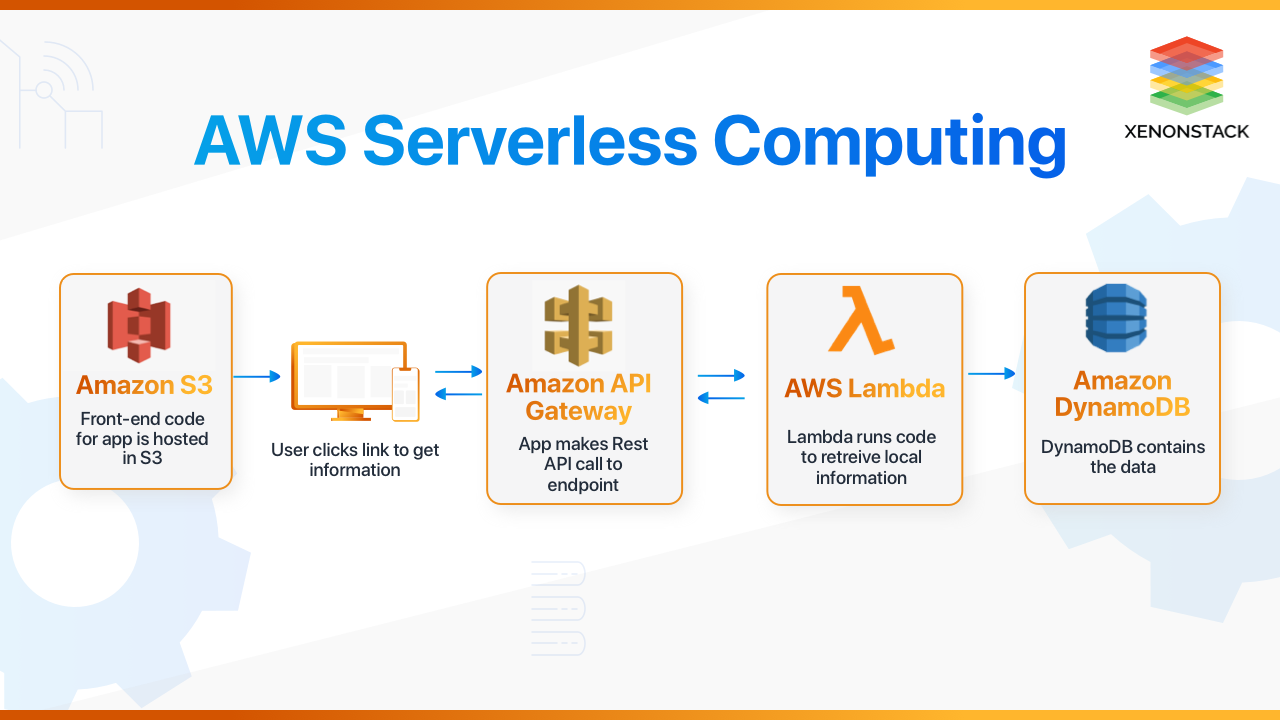
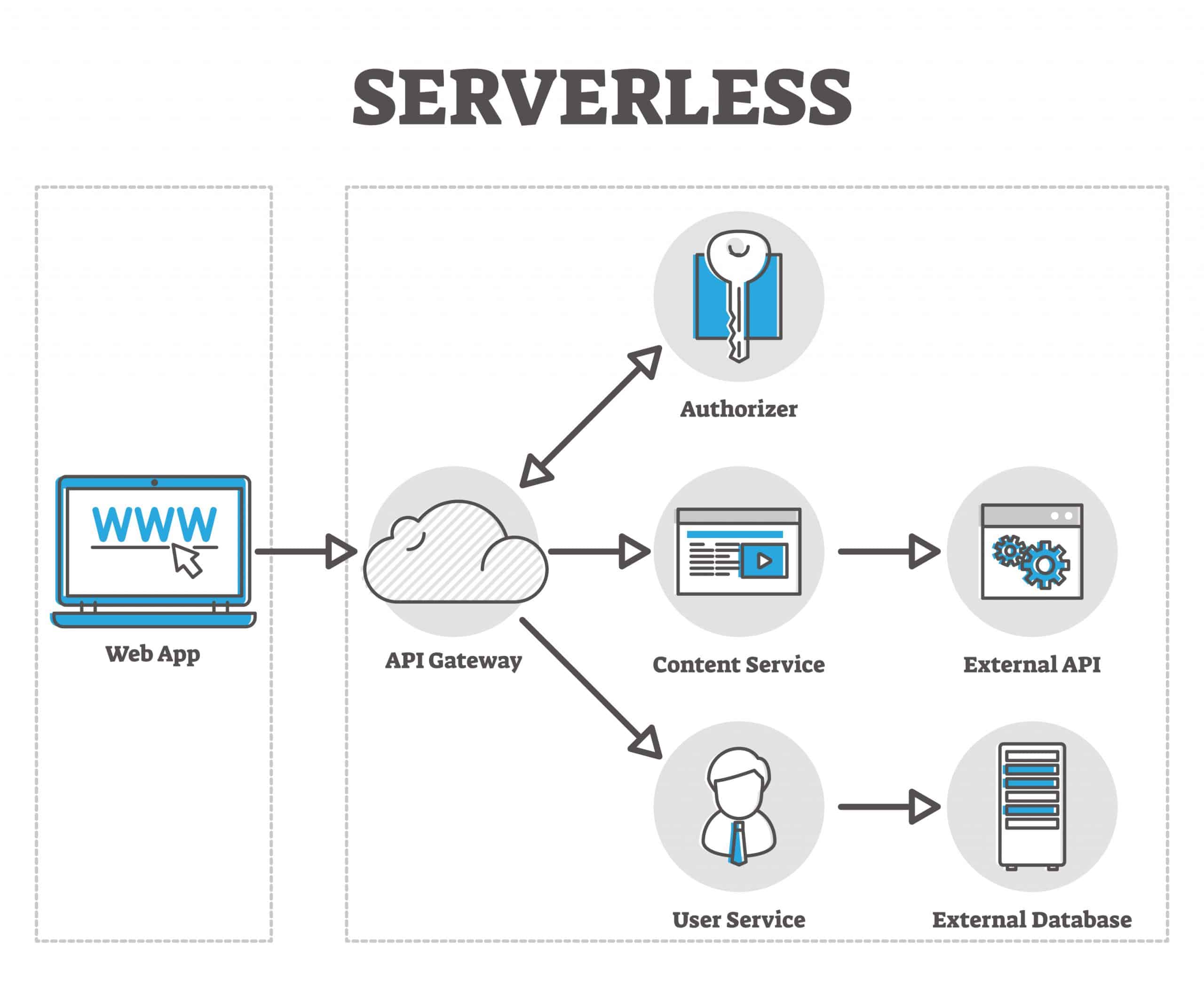
Serverless computing is a model of cloud computing where you write and run code without concern for servers. Your cloud provider manages all the infrastructure — servers, scalability, maintenance, security — and all you do is write application logic.
It’s similar to electricity. You don’t install a power plant to consume electricity in your house. You just plug things in and pay for what you consume.
Likewise, with serverless, you do not operate servers. You simply drop code out there and only pay when your code actually executes.
The magic occurs through what programmers refer to as “functions” — short blocks of code that run in response to some particular thing. A picture is uploaded to your app? A function takes care of it. A customer clicks checkout? A function processes the payment. Every function runs separately, self-scales, and you only pay for milliseconds that it actually does.
Most developers see 70-90% cost savings when moving from traditional infrastructure to serverless for apps that see periodic traffic. Savings of that kind can be the difference between a profitable side project and an out-of-control hobby.
Automatic Scaling Without the Headache
Remember when websites went down because a lot of people came at the same time? Serverless makes that issue a thing of the past. Your application scales from zero to thousands of simultaneous users and back to zero automatically, with no configuration.
Real-World Serverless Use Cases
Netflix and Coca-Cola employ serverless for some of their API infrastructure, serving millions of requests per day.
Image and Video Processing
When you upload video or images, serverless functions will compress, watermark, resize, or thumbnail for you automatically. It all occurs on-demand at no cost until the moment when someone actually publishes content.
Limitations and Challenges to Consider
Serverless is great, but it is not so great for everything. Understanding the limitation means you’ll be able to make improved decisions at what point to use it.
Cold Start Delays
When a function hasn’t been called in a while, the first run takes longer because the cloud provider must create the environment. Cold start introduces several hundred milliseconds of latency. For applications requiring sub-second response times all the time, this becomes a problem.
Cloud vendors are continually improving cold start times, and techniques like keeping functions “warm” through scheduled pings will reduce this issue.
Vendor Lock-in Concerns
Each serverless platform also contains their own APIs and quirks. AWS Lambda code cannot be readily ported into Google Cloud Functions. Vendor lock-in is something that bothers some organizations, but Serverless Framework and AWS SAM tools abstract away some of the platform specifics.
Debugging and Monitoring Complexity
Serverless distributed application debugging is somewhat different from debugging conventionally. Functions run in isolation, so it is more difficult to trace requests through your system. Luckily, homegrown debugging tools such as AWS X-Ray, Datadog, and New Relic now include superb serverless monitoring support.
Not Suitable for Long-Running Processes
Serverless functions have execution time limits (15 minutes on AWS Lambda, for instance). Applications that involve long-running processes such as video encoding or extensive scientific computation can still use traditional infrastructure.
The Future of Serverless Computing
Serverless computing is evolving fast. Edge computing is taking serverless functions to the edge, cutting latency significantly. Services such as Cloudflare Workers run functions at edge nodes all over the globe, making applications appear real-time.
Serverless and containerization are merging. Services such as AWS Fargate and Google Cloud Run provide “serverless containers” — container portability with serverless simplicity of use.
Machine learning and AI are becoming serverless-friendly. Platforms now provide serverless GPU capabilities to execute ML models, democratizing AI application development.